What Changes When Packing Copper and Aluminum Coils?
A steel-coil recipe can mark, stain, or crush a copper or aluminum coil. Softer surfaces and different weight distribution change every station on the packing line. This guide shows what to adjust — and what to test before acceptance.

Copper and Aluminum Coil Packing Lines: What Changes in Handling and Protection
Copper and Aluminum Coil Packing Lines: What Changes in Handling and Protection
Copper and aluminum coils look similar to steel coils, but they bring different handling and protection requirements. The coil is softer, the surface is more sensitive, and the packaging materials must be compatible with the metal.
This guide helps processing plants, engineers, and project teams adapt an automatic coil packing line to copper or aluminum product families.
| Design area | What changes for copper and aluminum |
|---|---|
| Surface and contact | Compatible contact material, no marks, no chemical transfer |
| Handling stability | Weight distribution and padded support instead of a steel default |
| Wrapping material | Tested for metal compatibility and protection goal |
| Width and recipe mix | Changeover, recipe selection, and first-article checks |
| Weighing and labeling | No pressure at sensitive points, approved label position |

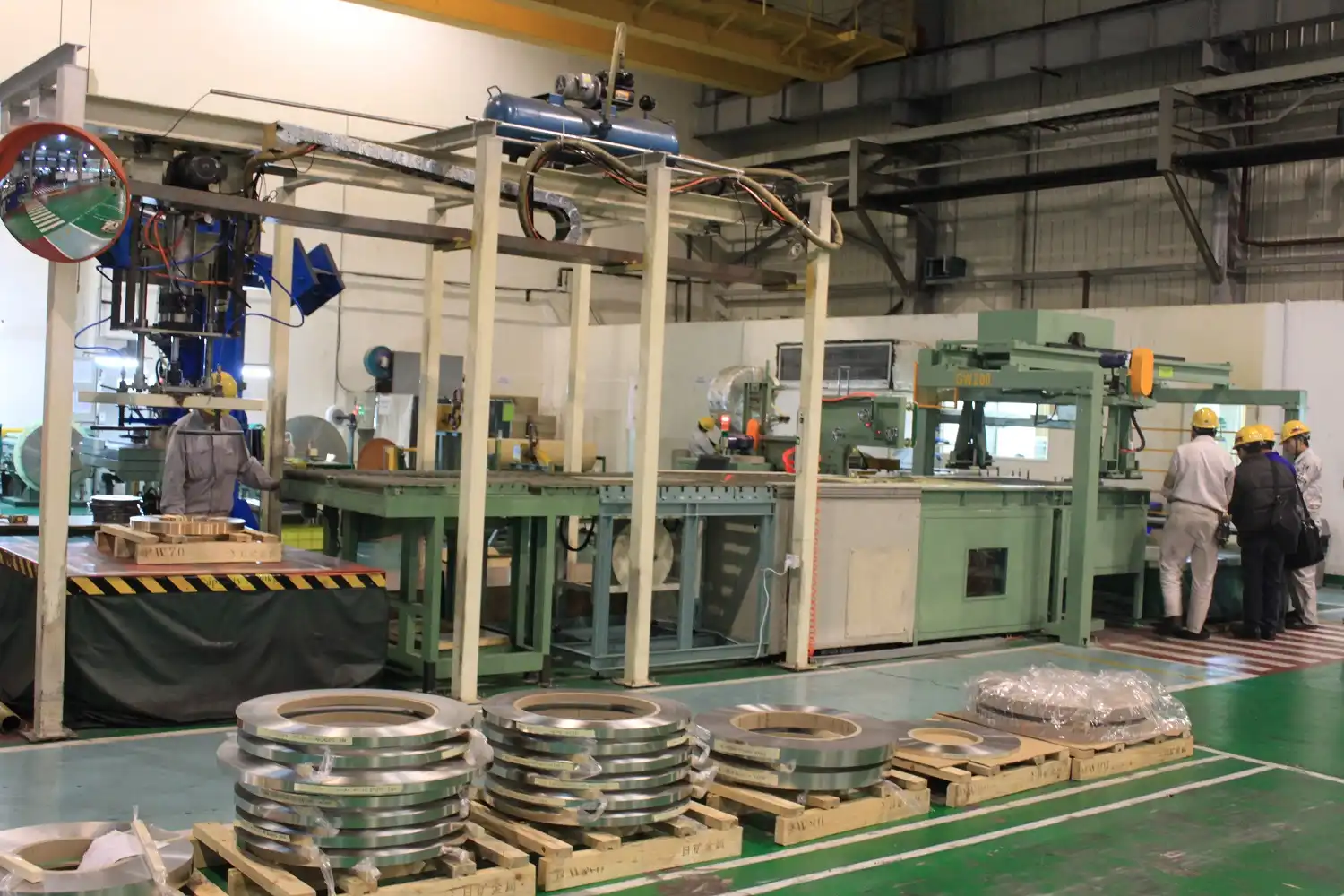
The image shows a brass copper strip vacuum handling and welding line. The handling approach for copper and aluminum must be designed around the soft surface and the actual support area, not around a steel-coil default.
Start with the Surface and Contact Rules
Copper and aluminum surfaces can be marked by direct contact, by certain packaging materials, or by pressure during wrapping and strapping. The contact layer should be compatible with the surface and should not transfer chemicals or leave marks.
Define the surface condition and the acceptable contact materials before selecting film, paper, edge protection, or strapping.
Adjust Handling for Weight and Stability
Aluminum coils are lighter than steel but can be large and easy to damage during transfer. Copper strip coils may be narrow, heavy for their size, or sensitive to vibration. The handling path should use the actual weight distribution and support surface, not a steel-coil default.
The lifting, down-ending, and positioning devices must be sized and padded for the softer material.

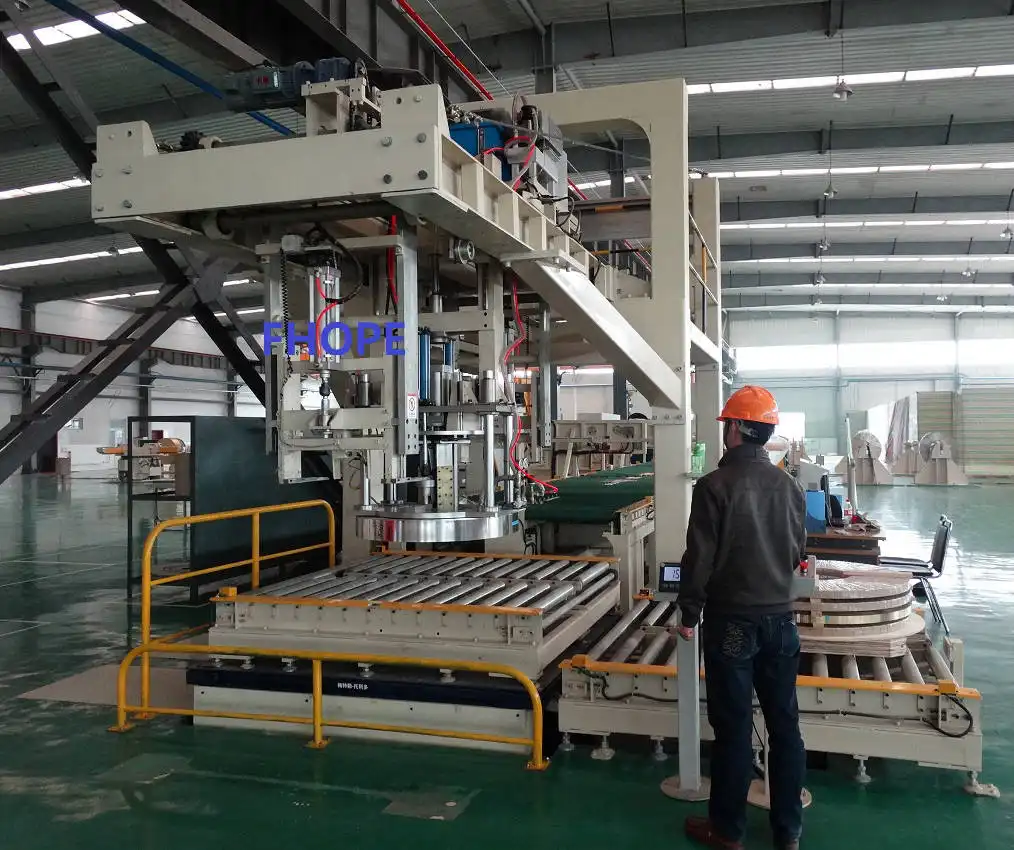
The image shows an automated copper multi-coil handling line. The same principle applies to packing: transfer, positioning, and support must protect the softer surface while handling the real coil weight.
Select Compatible Wrapping Materials
The wrapping recipe may combine stretch film, VCI or rust-inhibiting material, paper, and edge protection. For copper and aluminum, the compatibility of the material with the metal surface and the protection goal must be verified, especially for export or long storage.
Do not reuse a steel-coil recipe without testing it on the actual product.

The image shows people reviewing a brass copper strip handling setup. Material compatibility and contact rules should be confirmed with the actual product before the wrapping recipe is fixed.
Design for Narrower or Mixed Widths
Copper and aluminum lines often handle slit widths, varying widths, and mixed product families. The packing line should manage width changes, recipe selection, and first-article confirmation without mixing orders.
Measure the changeover frequency and the exception rate as part of the scope.
Weigh, Label and Trace Without Damage
Weighing and labeling equipment must handle the product without marking the surface or applying pressure at a sensitive point. The label should be placed in the approved position and survive handling.
The coil identity, recipe, quality state, and shipment record should follow the coil through every handoff.
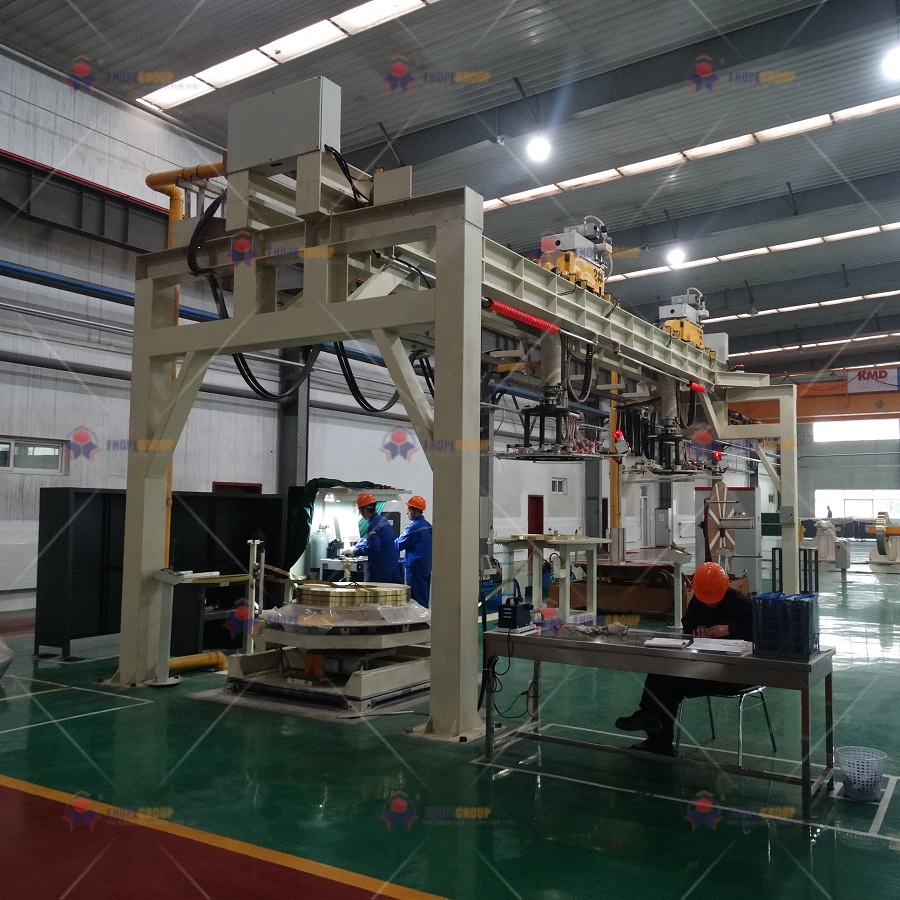
The image shows a copper coil packing line. The weighing, labeling, and release stations must be configured so the softer surface is not damaged while the coil identity and record move together.
Validate with Representative Coils
Test the line with the most sensitive and the most common copper and aluminum coils. Include handling, wrapping, strapping, stacking, and a handling or shipping trial. Record any surface marks and update the recipe.
A Practical Next Step
Create a product-family table with surface condition, contact rule, weight, width, and packaging recipe. Use it to check every station and to define the acceptance cases for FAT/SAT.
Keep the same table visible for the automatic coil packing line comparison, and require representative copper or aluminum coils in the acceptance test.
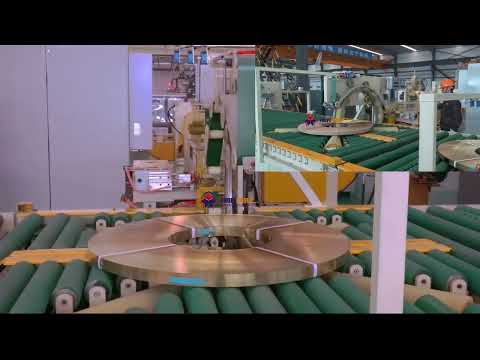
Watch a copper strip coil packaging line with upender and stacking in operation:
Visual Details

Click to enlarge
Click to enlarge
Click to enlarge

Click to enlarge
Watch How It Works
Discover how our automated packaging solutions optimize your production line efficiency. This video demonstrates the seamless operation designed for maximum protection.
Trusted by Steel Mills & Industry Leaders
Global manufacturers rely on FHOPE heavy duty packaging equipment


Ready to optimize your packaging line?
Get a custom quote with ROI analysis. Our engineers respond within 24 hours.
- Free layout design
- Global installation support
- 2-year warranty included
Your information is secure and will never be shared.
Related Machines
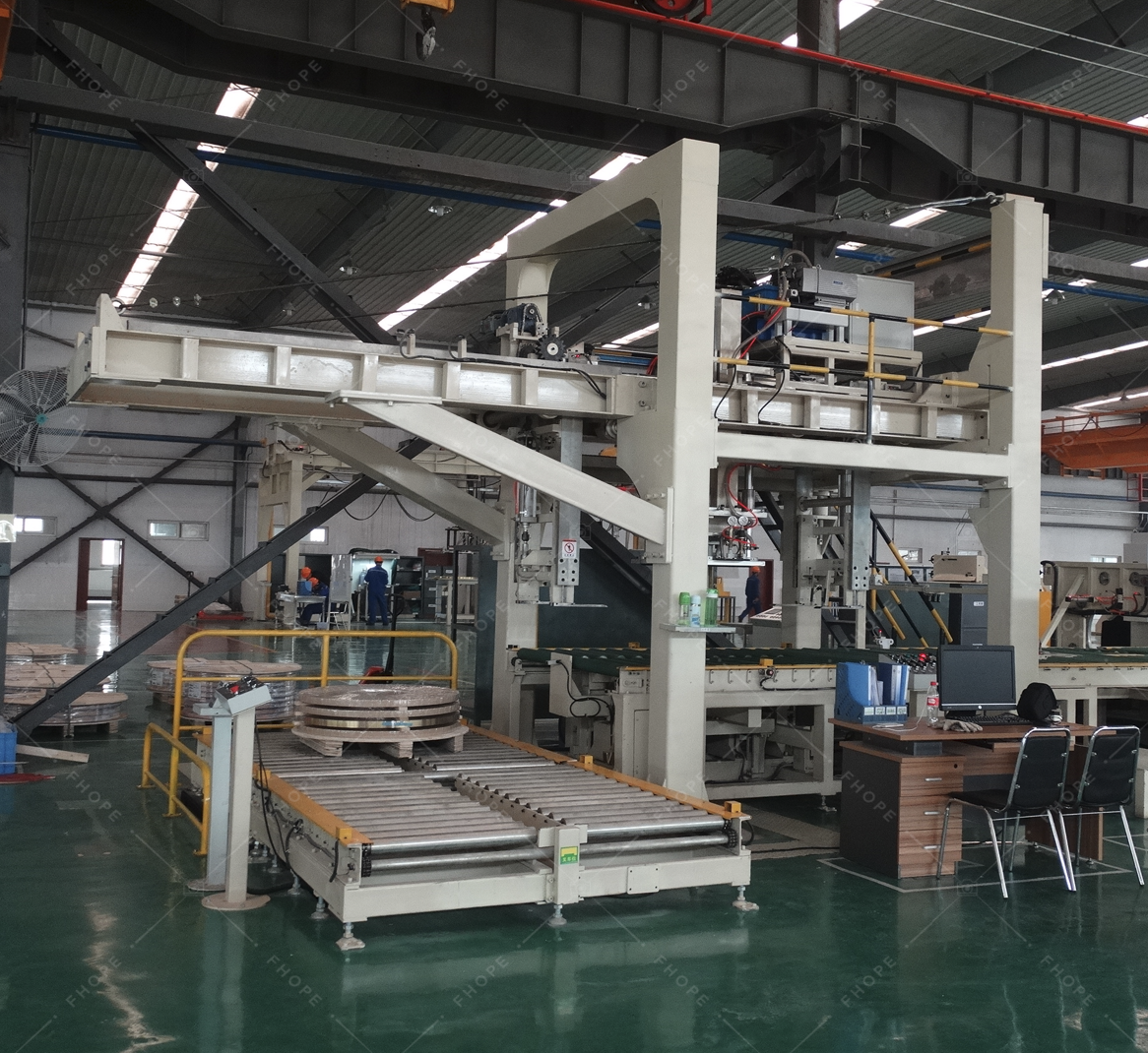
Steel Coil Packaging line
View Details →
Vertical coil packaging line
View Details →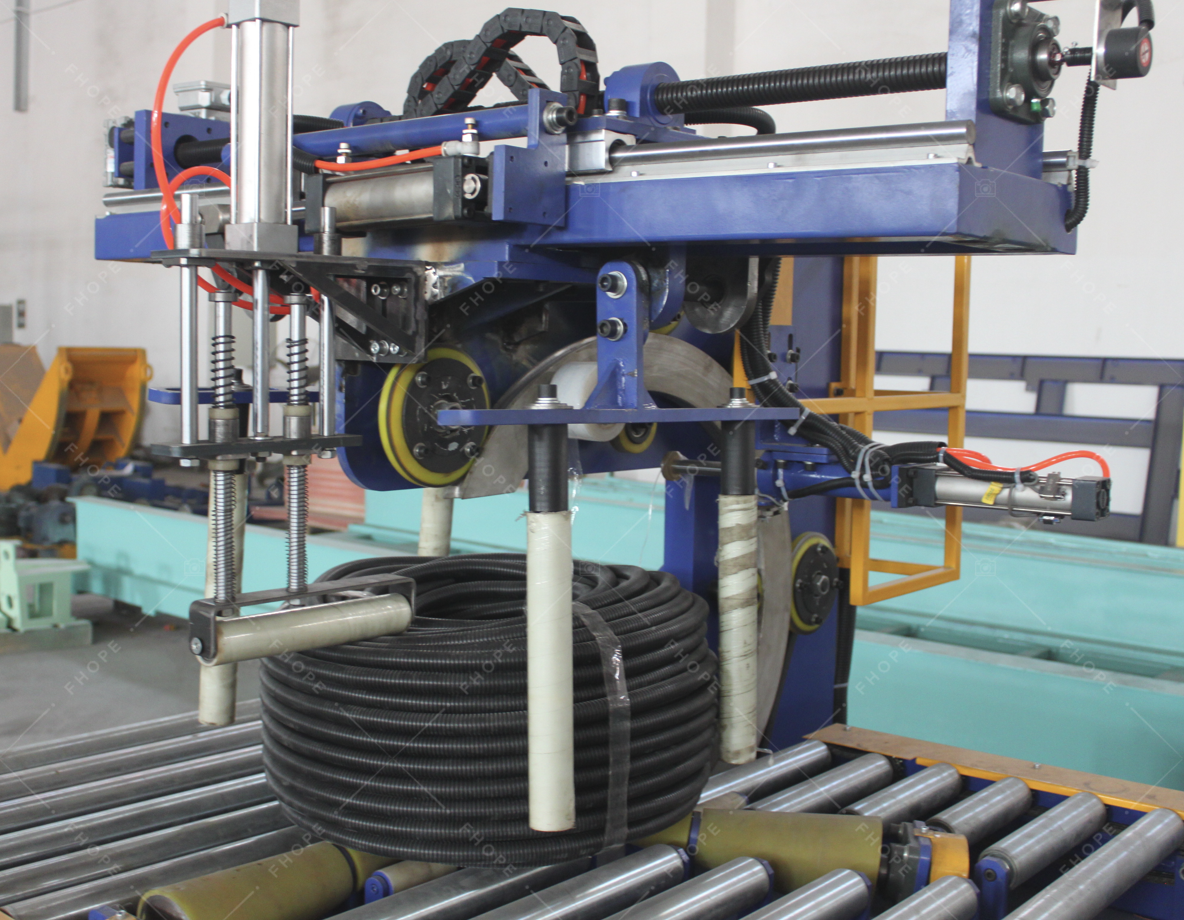
Hose Coil Packaging line
View Details →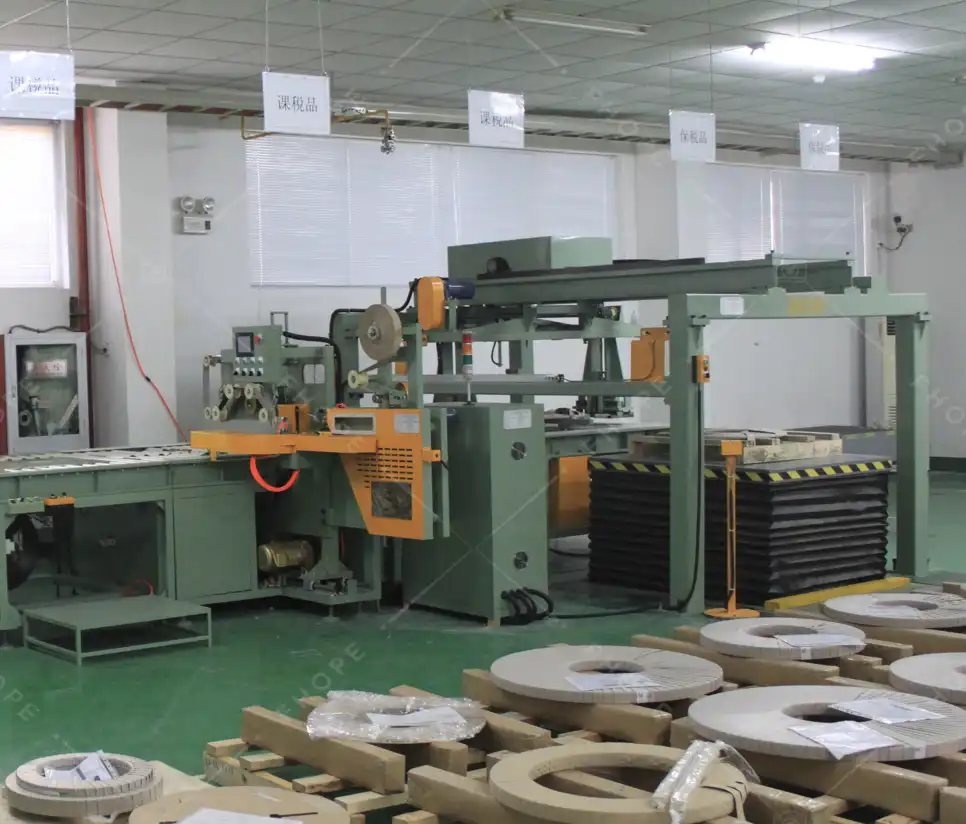
Copper Coil Packaging line
View Details →
Wire Coil Packaging line
View Details →
Panel Packaging line
View Details →
Pipe Bagging Machine
View Details →
Aluminum profile packing line
View Details →
FHOPE Automatic pipe tube bundling&strapping line
View Details →
Automatic pipe tube bundling & strapping line
View Details →
Automatic steel tube strapping machine
View Details →
FHOPE Automatic steel tube packing machine
View Details →
Automatic plastic Pipe strapping packing line
View Details →
Automatic PPR/PVC Pipe bagging line
View Details →
Platsic pipe bag packing machine
View Details →
Tyre Packing Machine FPT-200
View Details →
Tyre Packing Machine FPT-300
View Details →
Tyre Packing Machine FPT-400
View Details →
Cable Coil Packing Machine-FPCA100
View Details →