Stainless Coil Packing Line: Finish Protection Guide
A fully wrapped stainless coil can still be a failed package. Learn how to specify a packing line around finish protection — approved contact materials, cleanliness, and visible-defect acceptance.

Stainless Steel Coil Packing Line: Protecting the Finish
Stainless Steel Coil Packing Line: Protecting the Finish
Stainless steel packaging is not only about getting the coil wrapped. It is about delivering a package process that protects a visible finish from avoidable contact, contamination, and handling marks across the entire line. A stainless coil can leave the wrapper fully covered and still fail the customer expectation if the line allowed wrong contact materials, poor cleanliness, or unreviewed inspection standards.
This article is for packaging, quality, and project teams that need to define a stainless steel automatic coil packing line around finish protection rather than around a generic steel-coil recipe.
Start with the Finish, Not the Machine List
The first question should be which finish conditions matter to the customer and to internal release: polished, brushed, bright annealed, or another visible surface category used by the site. If the project does not define the finish condition that must be protected, the packaging line cannot be judged correctly.
The package for stainless steel should be specified from the appearance risk the team is trying to avoid: drag marks, contact marks, embedded debris, edge rub, transferred contamination, or packaging-material imprint. A wrapper, strapper, or conveyor does not control those risks automatically just because it is part of an automatic line.
Control Contact Materials Deliberately
For stainless steel, direct and indirect contact materials matter. The line should identify which rollers, supports, protectors, separators, papers, films, straps, pads, and handling surfaces are approved for the relevant finish. If the project allows substitutions without review, the finish risk increases immediately.
This is why a stainless packing line needs an approved-contact-material rule, not only a machine scope. The rule should state what may touch the coil, what must be isolated by paper or film, and what must be kept out of the packaging area entirely.

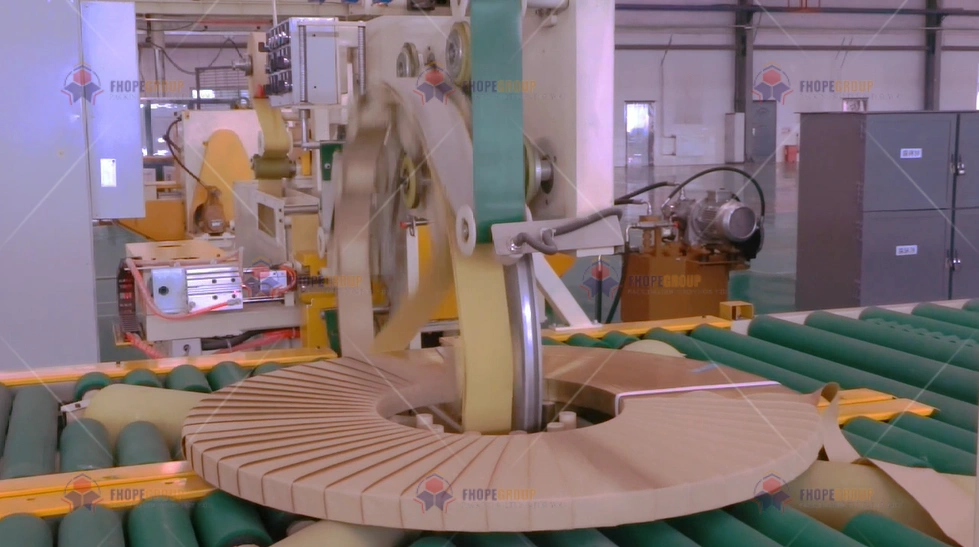
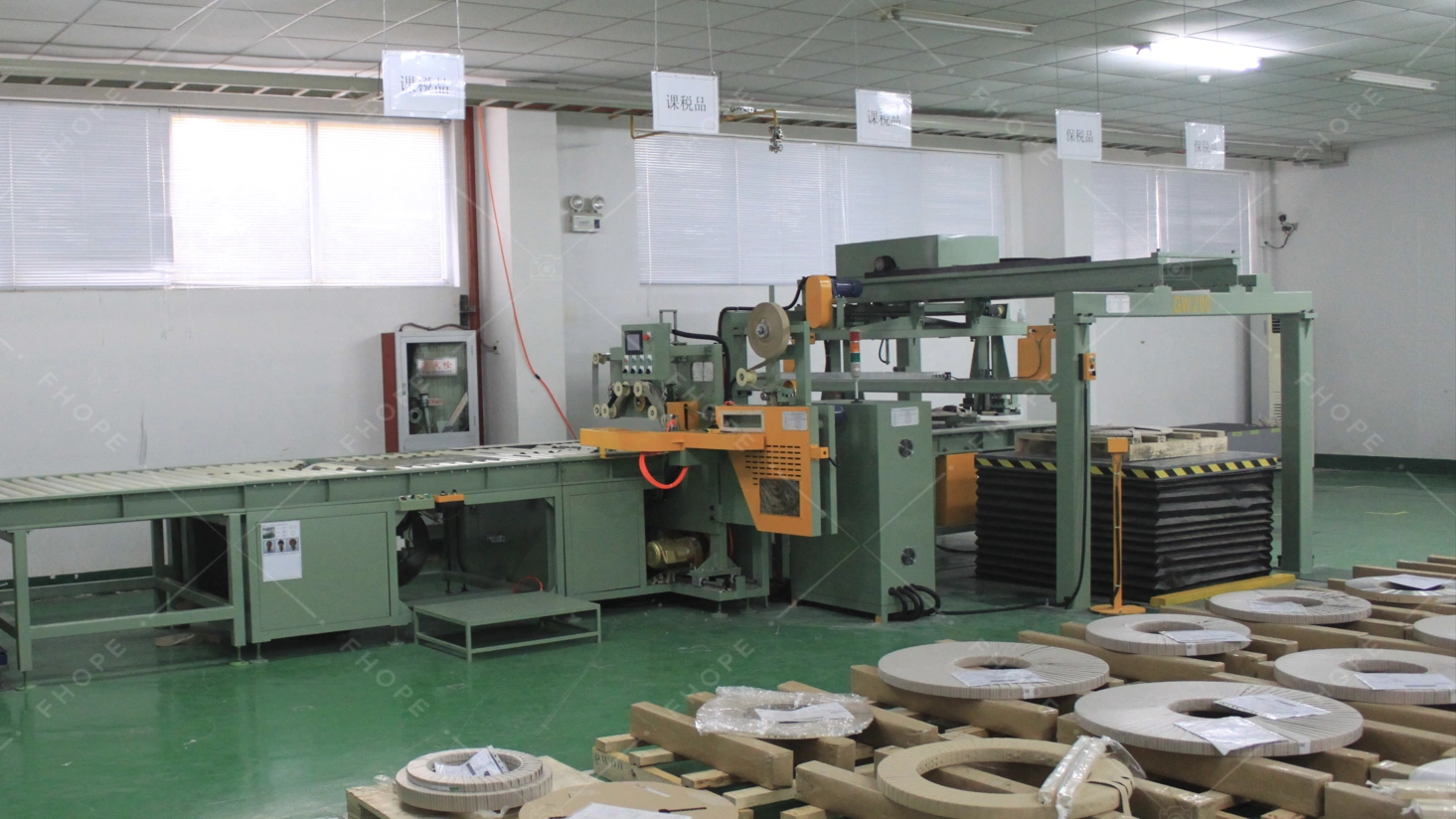
The image shows a steel coil strapping machine. Every guide, roller, support, strap, and pad that touches the coil belongs in the approved-contact-material rule for stainless finish protection.
Cleanliness Is Part of the Process, Not Housekeeping After the Fact
A stainless finish can be affected by dust, loose particles, oil carryover, damaged protectors, used packaging materials, or debris trapped during wrapping. These are process issues, not cosmetic afterthoughts.
The line should define:
- Packaging-area cleanliness standard
- Cleaning points before shift start and during changeover
- How used material scraps are removed
- What happens when debris is found on supports or contact surfaces
- Who may release the area after contamination is cleared
If cleanliness is not controlled, the packaging line can become the source of visible defects that are discovered only after shipping or at the next process step.
Separate Contact Risk from Coverage Risk
Many teams focus first on full coverage. Coverage matters, but for stainless steel the more important question may be whether the package process introduced a mark before the outer wrap was complete. A fully wrapped coil with trapped contamination or an incorrect contact layer is still a failed package.
That is why the line review should split two questions:
- Did the package cover and secure the coil as intended?
- Did the line preserve the finish while doing so?
Those are related but not identical checks.
The image shows a steel coil strapping machine in a packaging line. A fully covered coil can still be a failed package if the line introduced a contact mark or trapped contamination before the outer wrap was complete.
Protect Edges, Bore, and Visible Faces as a System
Stainless coils can need different protection at the edge, side face, or bore depending on customer requirement and internal handling route. The specification should define where protectors or interleaving materials are required, how they are positioned, and what condition is checked before the line releases the package.
This is not the place for general claims such as "no damage" or "scratch free." The useful discipline is to define the approved package build and the visible acceptance condition for the relevant finish class.
Watch a wide steel coil packaging machine for 1000 mm width coils:

Manage Changeover Contamination
If the line handles multiple products, stainless steel changeover should be treated as a controlled state change. The team should define when previous materials, debris, or contact parts need cleaning or replacement before stainless packaging begins.
The first-article check after changeover is especially important. It should confirm not only the recipe and package build but also the visible finish condition after the coil has passed through the actual supports and packaging sequence.
Make Visible-Defect Acceptance Explicit
One of the biggest problems in stainless packaging is vague quality language. "Surface okay" is not an acceptance standard. The project should state what the reviewer checks, from what viewing condition or internal standard, at which inspection point, and who has authority to release or hold the coil.
A practical acceptance record can include:
- Product family and finish category
- Approved packaging recipe
- Contact materials used
- Cleanliness status before run
- First-article finish review
- Final package review and release decision
That record is more valuable than a generic claim about premium packaging.
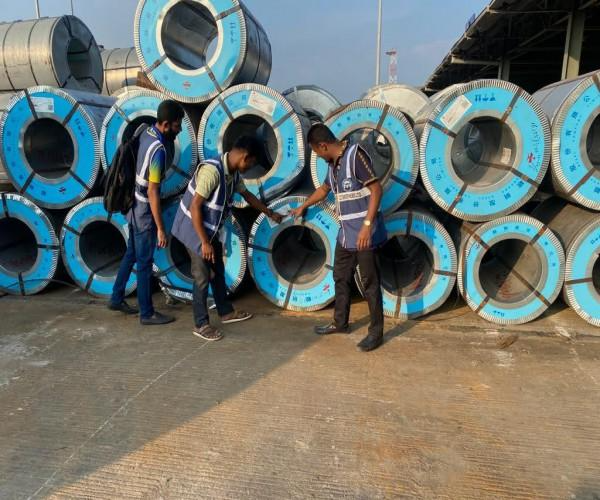
The image shows a team inspecting a coil package after unpacking. Visible-defect acceptance must define what is checked, from what viewing condition or internal standard, and who has authority to release the coil.
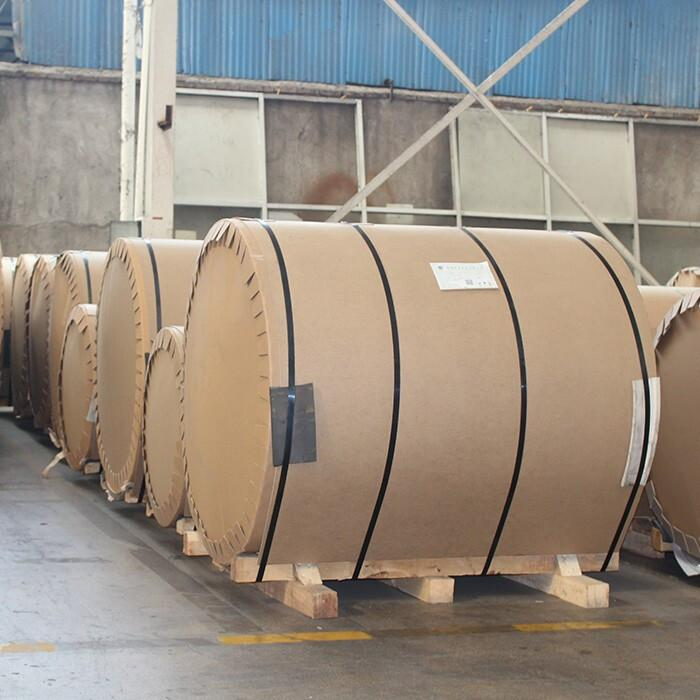
The image shows fully packaged steel coils ready for ocean freight. The release record should confirm finish category, contact materials, cleanliness, and visible-defect review before the package leaves the line.
Keep Public Claims Inside Evidence
Do not publish statements such as guaranteed mirror-finish protection, zero-defect delivery, or universal suitability for every stainless grade unless you have project-specific evidence and authority to make that promise. Public content should explain the control points that matter: finish category, approved contact materials, cleanliness, and visible-defect review.
That approach is both safer and more helpful to serious buyers.
A Practical Next Step
Build your stainless coil packaging rule around three controlled layers: approved contact materials, packaging-area cleanliness, and finish-specific acceptance. Then test the line with a representative visible-finish product after a real changeover on the automatic coil packing line, because that is where many hidden defects first appear.
Visual Details
Click to enlarge
Click to enlarge

Click to enlarge

Click to enlarge
Watch How It Works
Discover how our automated packaging solutions optimize your production line efficiency. This video demonstrates the seamless operation designed for maximum protection.
Trusted by Steel Mills & Industry Leaders
Global manufacturers rely on FHOPE heavy duty packaging equipment


Ready to optimize your packaging line?
Get a custom quote with ROI analysis. Our engineers respond within 24 hours.
- Free layout design
- Global installation support
- 2-year warranty included
Your information is secure and will never be shared.
Related Machines
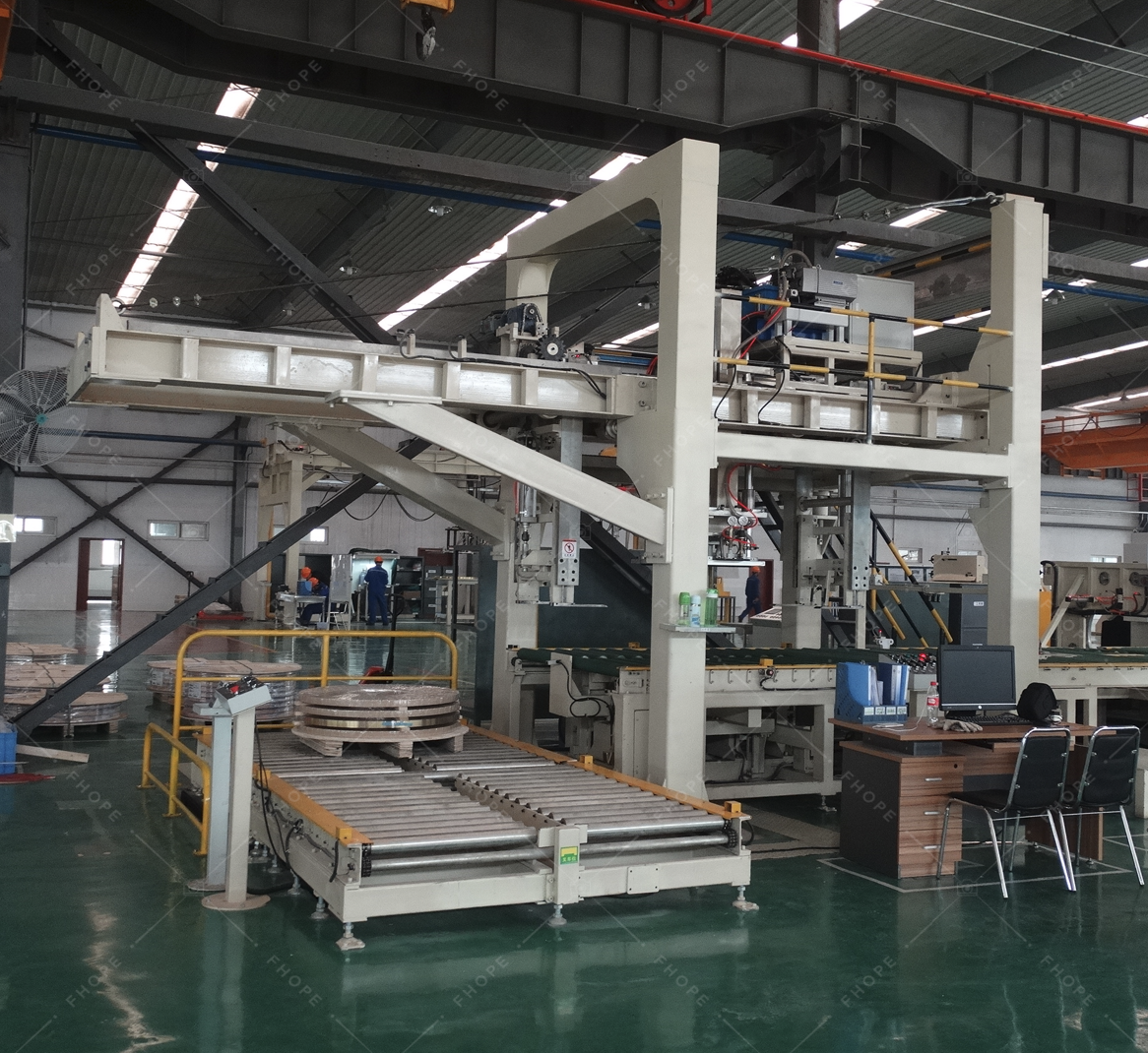
Steel Coil Packaging line
View Details →
Vertical coil packaging line
View Details →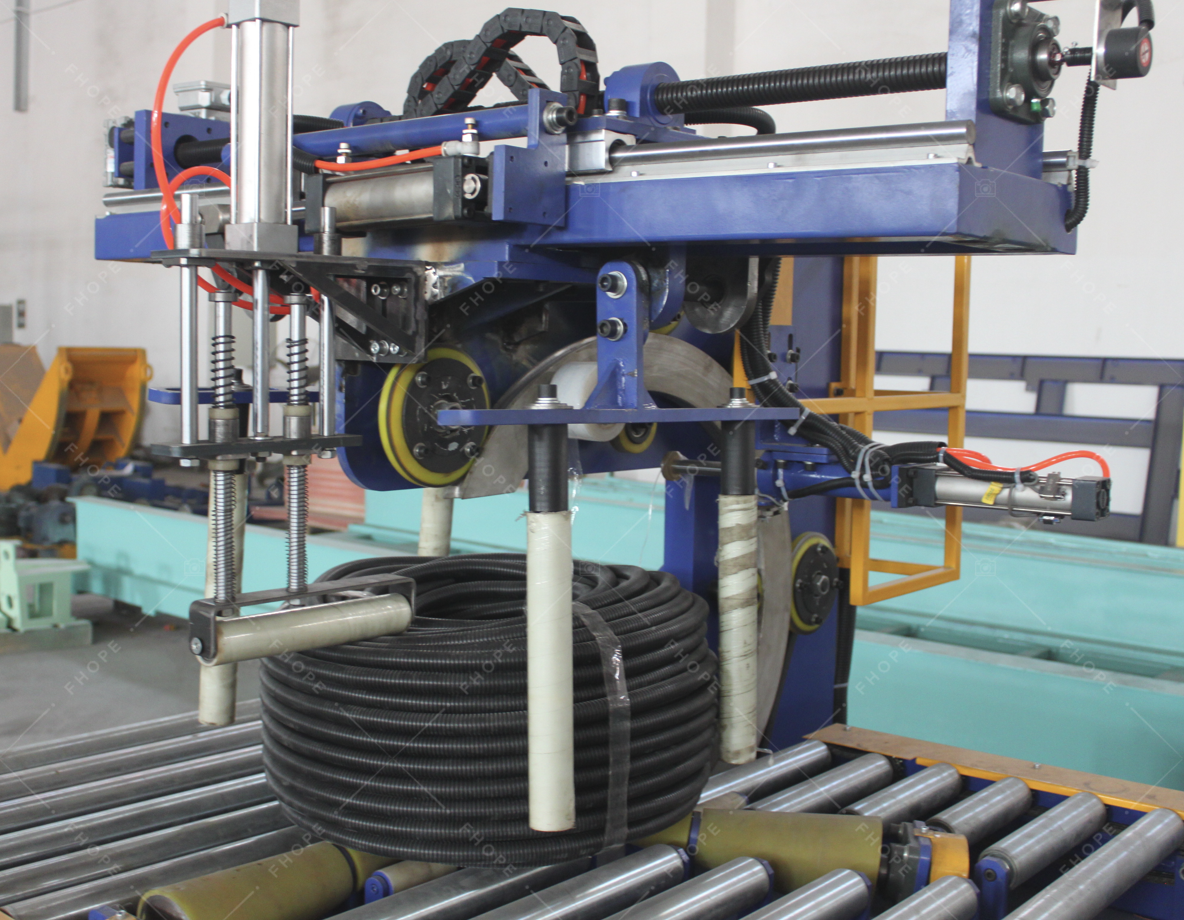
Hose Coil Packaging line
View Details →
Copper Coil Packaging line
View Details →
Wire Coil Packaging line
View Details →
Panel Packaging line
View Details →
Pipe Bagging Machine
View Details →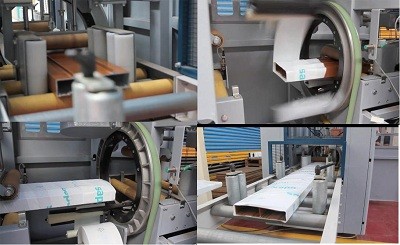
Aluminum profile packing line
View Details →
FHOPE Automatic pipe tube bundling&strapping line
View Details →
Automatic pipe tube bundling & strapping line
View Details →
Automatic steel tube strapping machine
View Details →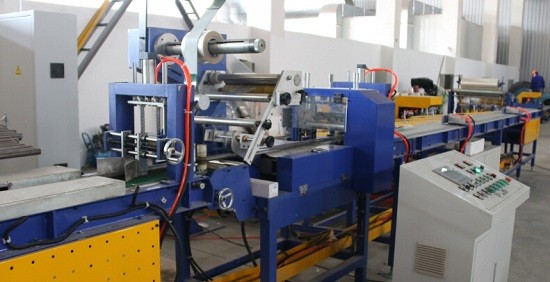
FHOPE Automatic steel tube packing machine
View Details →
Automatic plastic Pipe strapping packing line
View Details →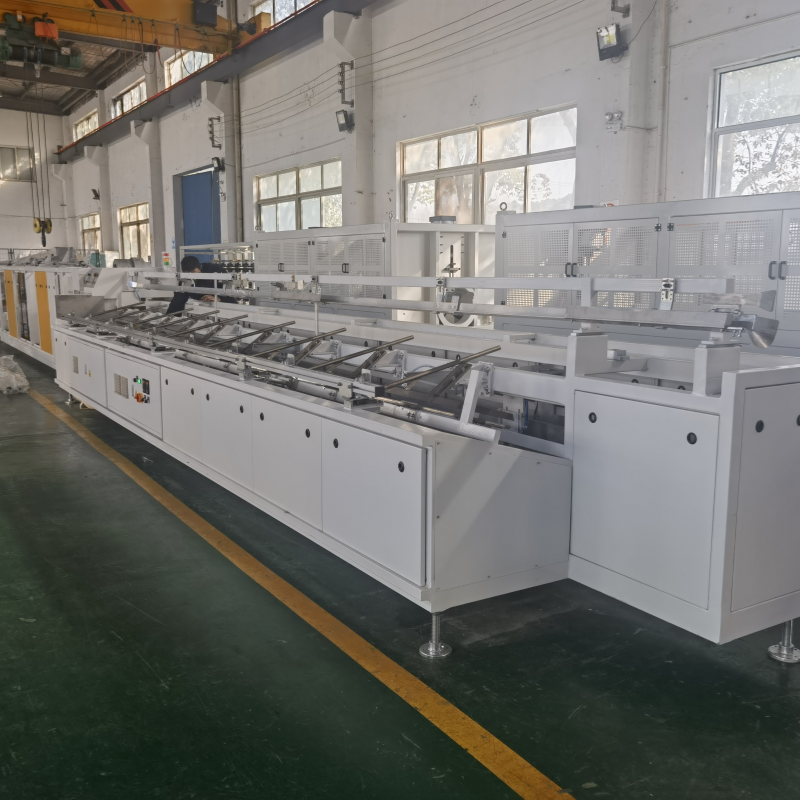
Automatic PPR/PVC Pipe bagging line
View Details →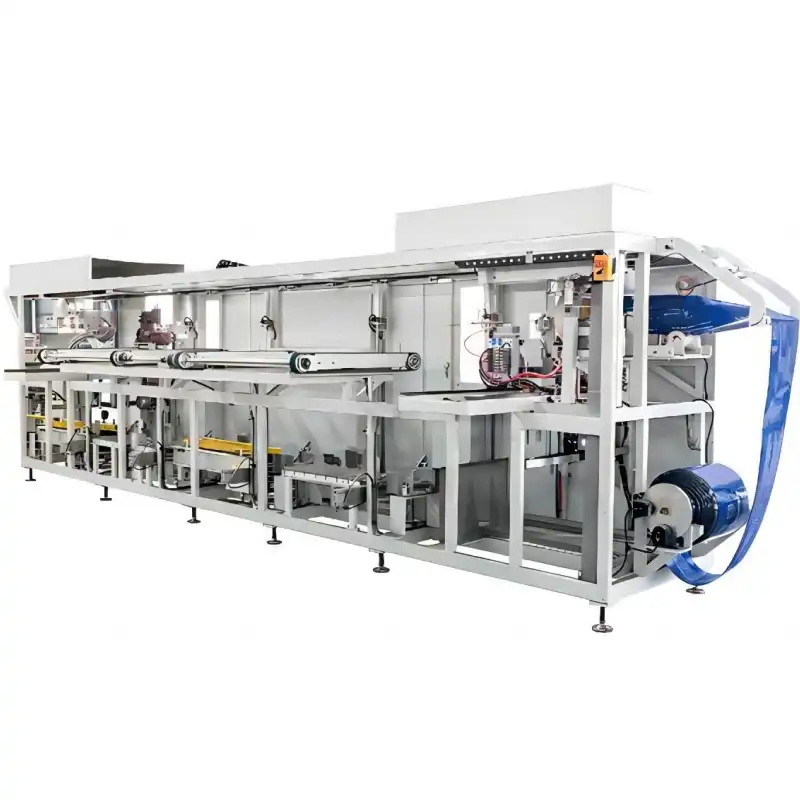
Platsic pipe bag packing machine
View Details →
Tyre Packing Machine FPT-200
View Details →
Tyre Packing Machine FPT-300
View Details →
Tyre Packing Machine FPT-400
View Details →
Cable Coil Packing Machine-FPCA100
View Details →